Beautiful gardens start with Hortilife
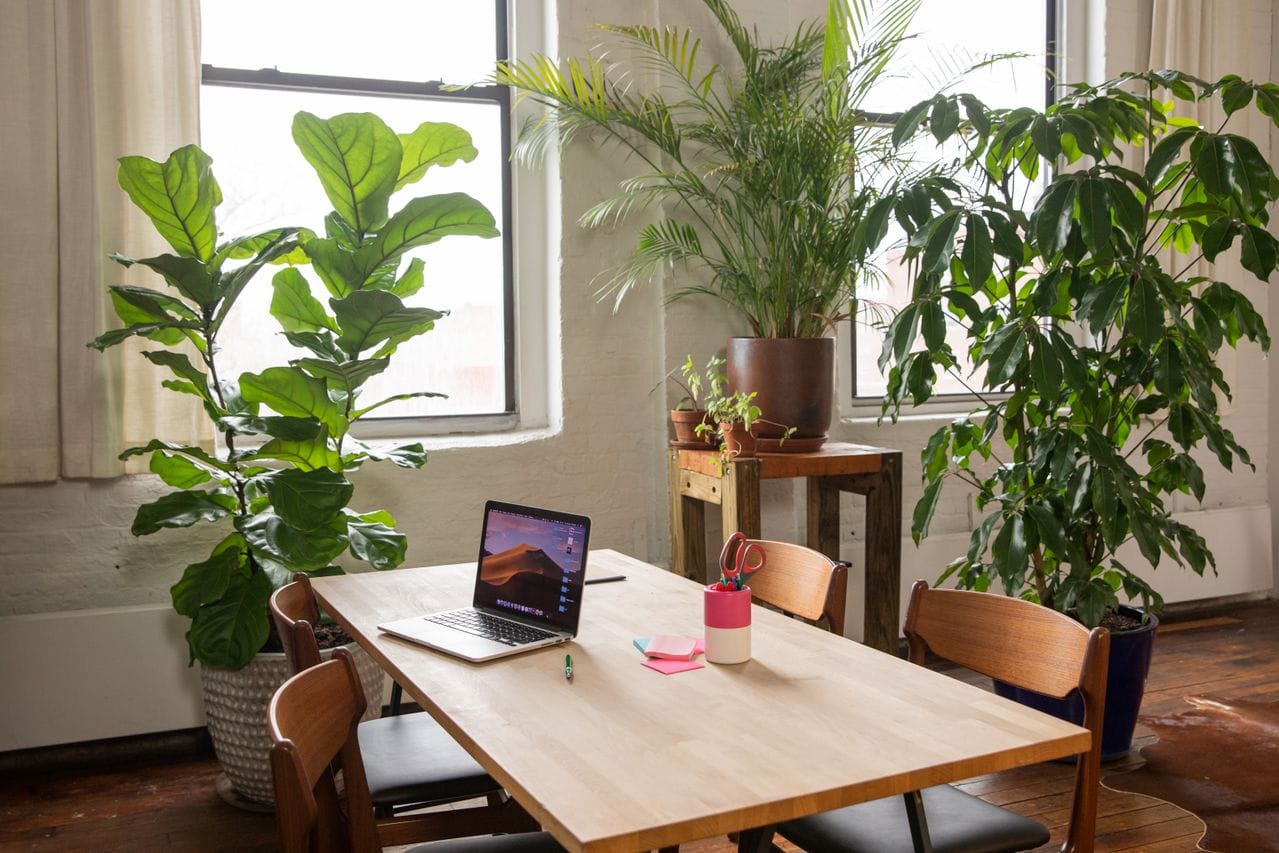
The fiddle leaf fig has become one of the most popular indoor plants in Canada. With its large, glossy, violin-shaped leaves and tall architectural shape, it can instantly make a living room, office, or bright corner feel more stylish and alive. But it also has a reputation for being fussy. Many plant owners bring home a beautiful fiddle leaf fig, only to watch it drop leaves, develop brown spots, or stop growing during the long Canadian winter.
The good news is that fiddle leaf figs can grow very well in Canadian homes when you understand what they need. They come from warm, tropical regions of West Africa, where they receive bright filtered light, steady warmth, and consistent moisture without sitting in soggy soil. In Canada, the main challenges are low winter light, dry indoor air, cold drafts, and watering mistakes. Once you adjust for these conditions, a fiddle leaf fig can become a long-lasting and impressive houseplant.
Success starts with choosing the right plant. When buying a fiddle leaf fig, look for firm, upright growth and leaves that are rich green, glossy, and free from major brown patches. A few small marks are normal, but avoid plants with widespread leaf spotting, yellowing leaves, soft stems, or signs of pests.
Check the soil if possible. It should not smell sour or rotten. If the pot feels extremely wet and heavy, the plant may have been overwatered. Also inspect the undersides of leaves and leaf joints for tiny insects, webbing, or sticky residue.
Once you bring the plant home, expect a short adjustment period. Fiddle leaf figs do not love sudden changes. A few lower leaves may yellow or drop after moving from a greenhouse or store into a home. This does not always mean the plant is dying. Give it stable care and avoid moving it repeatedly.
Light is the most important factor for growing fiddle leaf fig in Canada. These plants need bright light to maintain strong leaves and steady growth. In Canadian homes, especially from November to March, indoor light can be much weaker than expected.
A fiddle leaf fig usually does best near a large east-, south-, or west-facing window. East-facing windows provide gentle morning sun and are often easy to manage. South-facing windows are excellent in winter, but during summer the plant may need to sit slightly back from the glass or be protected with a sheer curtain if the sun is intense. West-facing windows can work well, but hot afternoon sun may scorch leaves if the plant is too close.
North-facing windows are usually too dim for fiddle leaf figs unless the room is very bright or supplemented with a grow light. Signs of low light include slow growth, leaning toward the window, small new leaves, dull colour, and lower leaf drop.
During Canadian winters, a full-spectrum grow light can be very helpful. Use it for 8 to 12 hours a day to support healthy growth when natural light is limited. Rotate the plant every few weeks so it grows evenly instead of leaning to one side.
Fiddle leaf figs like warmth and consistency. Most grow best in normal indoor temperatures between 18°C and 26°C. They dislike cold drafts, sudden temperature drops, and hot dry air blowing directly on their leaves.
This is especially important in Canada. A fiddle leaf fig placed right beside a cold window in January can suffer stress even if the room feels comfortable. Leaves touching cold glass may develop dark patches or drop. Keep the plant near bright light, but not pressed against freezing windows.
Avoid placing it near exterior doors, heating vents, fireplaces, or unheated basements. Furnace air can dry the leaves and soil quickly, while cold drafts can shock the plant. A stable location is better than constantly moving the plant around.
Watering is where many fiddle leaf fig problems begin. These plants like consistent moisture, but they do not like soggy soil. Overwatering can lead to root rot, brown spots, yellow leaves, and leaf drop. Underwatering can cause crispy edges, drooping, and dry soil pulling away from the pot.
Instead of watering on a fixed schedule, check the soil. Push your finger 5 to 7 cm into the potting mix. If the top few centimetres feel dry, it may be time to water. If the soil still feels moist, wait a few more days.
When you water, water thoroughly until excess water drains from the bottom of the pot. Then empty the saucer. Never let the plant sit in standing water. Good drainage is essential.
In spring and summer, your fiddle leaf fig may need water more often because it is actively growing and the light is stronger. In winter, it will usually need less water because growth slows and soil dries more slowly. In many Canadian homes, overwatering in winter is one of the most common causes of decline.
Fiddle leaf figs need a potting mix that holds some moisture but still drains well. A heavy, compacted soil can trap water around the roots and cause problems.
A good indoor potting mix with added perlite, bark, or coco chips can work well. The goal is a mix that feels airy, not dense and muddy. The pot must have drainage holes. Decorative pots are fine, but it is best to keep the plant in a nursery pot inside the decorative cover pot so water can drain fully.
Do not rush to repot a new fiddle leaf fig immediately unless the soil is poor or the plant is clearly root-bound. Repotting can stress the plant. When repotting is needed, spring or early summer is the best time. Choose a pot only slightly larger than the current one. A pot that is too large holds extra wet soil and increases the risk of root rot.
Fiddle leaf figs can tolerate average indoor humidity, but they do better when the air is not too dry. Canadian homes can become very dry in winter because of central heating. Dry air may cause crispy leaf edges, dull leaves, and increased stress.
A humidifier is the most effective way to improve humidity. Aim for moderate humidity around the plant, especially during winter. Grouping houseplants together can also help create a slightly more humid microclimate.
Misting is not very effective as a long-term solution because it only raises humidity briefly. If done too often, it can also leave water sitting on leaves and encourage spotting. A humidifier or better room humidity is usually more useful.
The large leaves of a fiddle leaf fig collect dust easily. Dust blocks light and makes the plant look dull. Wipe the leaves gently with a soft damp cloth every few weeks. Support the leaf from underneath while cleaning so you do not tear it.
Avoid using heavy leaf shine products. They can clog leaf surfaces and attract dust. Clean leaves naturally have a healthy shine when the plant is well cared for.
Cleaning also gives you a chance to inspect for pests such as spider mites, scale, and mealybugs. Check the undersides of leaves and along the stems. Catching pests early makes them much easier to control.
Fiddle leaf figs benefit from regular feeding during the growing season. In Canada, this is usually spring through early fall, when light is stronger and the plant is actively producing new leaves.
Use a balanced indoor plant fertilizer or a fertilizer designed for leafy tropical plants. Follow the label directions and avoid overfeeding. Too much fertilizer can damage roots and cause brown leaf edges.
During late fall and winter, reduce or pause feeding unless the plant is under strong grow lights and actively growing. Fertilizer is most useful when the plant has enough light to use the nutrients.
Fiddle leaf figs can grow tall indoors, but they may become leggy if light is low. Pruning can help control height and encourage branching. The best time to prune is spring or early summer.
Use clean, sharp pruners and cut just above a node, which is where a leaf meets the stem. New growth may appear near the cut. If your plant is leaning, rotate it regularly and make sure it receives enough light. A bamboo stake can help support a young or top-heavy plant.
Do not remove too many leaves at once. Leaves are the plant’s energy source, and heavy pruning can stress it.
Brown spots can be caused by several things. Dark brown, soft spots often point to overwatering or root issues. Crispy brown edges may suggest underwatering, low humidity, or salt buildup from fertilizer. Yellow leaves can be caused by overwatering, low light, or natural aging of older lower leaves.
Leaf drop is common when the plant experiences sudden change, cold drafts, low light, or inconsistent watering. The solution is not to panic and move the plant repeatedly. Instead, check the basics: light, soil moisture, drainage, temperature, and drafts.
Growing a fiddle leaf fig in Canada is very possible with the right indoor care. Give it bright indirect light, protect it from cold windows and drafts, water only when the soil has partly dried, and provide a well-draining potting mix. During winter, reduce watering, improve humidity, and consider a grow light if your home is dark.
A fiddle leaf fig rewards patience and consistency. It may not grow quickly all year, especially during Canadian winters, but with stable care it can become a beautiful statement plant that brings tropical greenery into your home year after year.