Beautiful gardens start with Hortilife
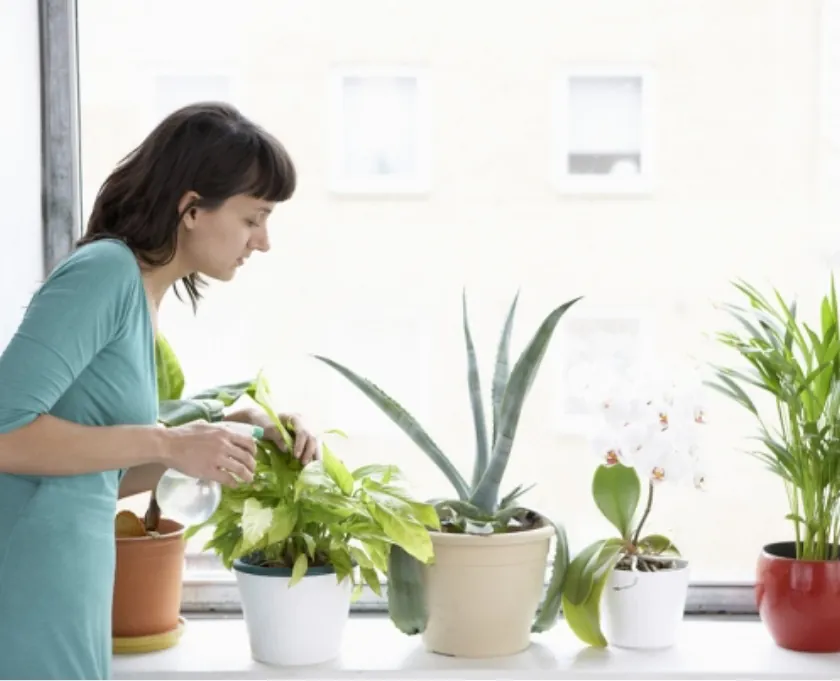
Succulents and cactus are some of the most popular houseplants in Canada, and for good reason. They are stylish, compact, low-maintenance, and perfect for windowsills, desks, shelves, and bright indoor spaces. Their thick leaves and stems store water, which makes them more drought-tolerant than many tropical plants. But while they are often described as “easy,” many Canadian plant owners still struggle with stretching, rotting, shrivelling, or plants that simply stop growing.
The reason is simple: succulents and cactus are adapted to bright light, fast-draining soil, and dry conditions. Canadian homes, especially in winter, often provide the opposite: low light, cool windows, limited airflow, and slow-drying soil. The good news is that with a few adjustments, succulents and cactus can grow very well indoors across Canada.
The first step is choosing plants that match your indoor conditions. Some succulents need very strong sunlight, while others are more forgiving.
Beginner-friendly succulents include jade plant, haworthia, aloe vera, gasteria, snake plant, echeveria, sedum, kalanchoe, and burro’s tail. These plants are widely available in Canadian garden centres, grocery stores, and plant shops.
For cactus, good beginner choices include golden barrel cactus, mammillaria, bunny ear cactus, prickly pear cactus, fairy castle cactus, and Christmas cactus. However, Christmas cactus is technically a tropical cactus, so it prefers slightly different care than desert cactus. It likes bright indirect light and a little more moisture than typical desert cactus.
If your home does not get much direct sun, haworthia, gasteria, snake plant, and some aloes may be better choices than sun-hungry echeverias or desert cactus. The more closely you match the plant to your light level, the easier care becomes.
Light is the biggest challenge when growing succulents and cactus in Canada. These plants usually need more light than most people expect. A room that looks bright to us may still be too dim for a succulent.
In Canadian homes, a south-facing window is often the best location, especially during fall and winter. West-facing windows can also work well because they provide strong afternoon light. East-facing windows may be suitable for some succulents, especially haworthia, aloe, and jade plants. North-facing windows are usually too low-light for most cactus and compact succulents.
Signs of low light include stretched stems, pale colour, leaves bending downward, wide spacing between leaves, leaning toward the window, and cactus becoming thin or pointed at the top. This stretched growth is called etiolation. Once a succulent stretches, it will not shrink back into its original compact shape, although new growth can improve if the plant receives stronger light.
During Canadian winters, consider using a grow light. A full-spectrum grow light placed above the plants for 10 to 14 hours a day can help maintain compact growth and better colour. Grow lights are especially useful in apartments, basements, offices, and homes with shaded windows.
Succulents and cactus hate sitting in wet soil. Their roots need oxygen, and soggy soil can quickly lead to root rot.
Always use pots with drainage holes. Decorative pots without drainage may look attractive, but they are risky. If you want to use a decorative cover pot, keep the plant in a plastic nursery pot inside it, and remove the inner pot when watering so extra water can drain fully.
Use a cactus and succulent potting mix rather than regular indoor potting soil. Regular potting soil often holds too much moisture. A good cactus mix should drain quickly and feel gritty or airy. You can improve drainage by adding perlite, pumice, coarse sand, or small horticultural grit.
Terracotta pots are helpful because they allow moisture to evaporate through the sides. This is useful in Canada, especially in winter when soil may stay wet longer. Plastic pots can still work, but you must be more careful with watering.
The most common mistake with succulents and cactus is watering too often. These plants do not want tiny sips every few days. They prefer a deep watering followed by a proper dry period.
When watering, soak the soil until water drains from the bottom of the pot. Then allow the soil to dry completely before watering again. For many succulents, this may mean watering every 2 to 4 weeks during the growing season. For cactus, it may be even less often, depending on the plant, pot size, light, and temperature.
Do not water based only on a calendar. Check the soil. If the soil still feels damp below the surface, wait. You can use your finger, a wooden skewer, or simply lift the pot to feel its weight. A dry pot is much lighter than a wet one.
During winter, most succulents and cactus grow more slowly because light levels are lower. They need much less water. In some Canadian homes, cactus may only need water once every 4 to 8 weeks in winter. Succulents may need slightly more, but still far less than in summer.
Shrivelling can mean underwatering, but it can also happen when roots have rotted from overwatering and can no longer absorb water. Before adding more water to a struggling plant, check whether the soil is wet and whether the base of the plant feels soft or mushy.
Many succulents and cactus love bright windows, but Canadian winter windows can become very cold. A plant touching frozen glass can suffer damage. Cold, wet soil is also dangerous because it increases the risk of root rot.
Keep plants close to bright windows, but not pressed directly against cold glass. Move them back slightly during extreme cold snaps. Avoid placing them near drafty doors, unheated sunrooms, or chilly basement windows.
Most indoor succulents and cactus prefer normal room temperatures. They can usually handle cooler nights if they are dry, but cold plus wet soil is a bad combination.
Succulents and cactus are not heavy feeders. Too much fertilizer can cause weak, stretched, or unnatural growth. Feed lightly during spring and summer when plants are actively growing.
Use a cactus and succulent fertilizer or a balanced indoor plant fertilizer diluted to half strength. Fertilizing once a month during active growth is enough for many plants. Do not fertilize stressed plants, freshly repotted plants, or plants sitting in wet soil.
In fall and winter, reduce or stop fertilizing unless the plants are under strong grow lights and clearly growing. Feeding during low-light winter months can encourage weak growth.
Succulents and cactus do not need frequent repotting. In fact, many prefer being slightly snug in their pots. Repot when the plant is root-bound, top-heavy, drying out too quickly, or when the soil has become compacted.
Spring is usually the best time to repot because the plant is entering its active growing season. Choose a pot only slightly larger than the current one. A pot that is too large holds extra soil and moisture, increasing the risk of rot.
After repotting, wait several days before watering, especially for cactus. This gives any damaged roots time to heal.
Succulents and cactus can attract pests such as mealybugs, scale, spider mites, and fungus gnats. Mealybugs often appear as white cottony patches around leaf joints, stems, and roots. Scale looks like small brown bumps. Spider mites may cause fine webbing and speckled leaves.
Inspect plants regularly, especially new purchases. Keep new plants separate for a week or two before placing them near your collection. If pests appear, isolate the affected plant and treat early. Insecticidal soap, horticultural oil, or careful spot cleaning with rubbing alcohol on a cotton swab can help with small infestations. Always test on a small area first and avoid treating plants in strong direct sun.
Many succulents and cactus enjoy spending summer outdoors in Canada, but they must be introduced gradually. Indoor plants can burn quickly if placed directly into full outdoor sun.
Start in bright shade or morning sun for a few days, then slowly increase sun exposure. Protect plants from heavy rain, especially if they are in pots that stay wet. A covered patio, balcony, or sunny porch can be ideal.
Bring plants back indoors before nights become too cold in late summer or early fall. Check carefully for insects before bringing them inside.
Growing succulents and cactus in Canada is all about light, drainage, and restraint. Give them the brightest suitable spot you can, use a fast-draining soil mix, choose pots with drainage holes, and water only after the soil has dried.
These plants do not need constant attention. In fact, they often do better when they are not fussed over. With the right conditions and seasonal adjustments, succulents and cactus can stay healthy, compact, and beautiful year-round—even through a long Canadian winter.