Beautiful gardens start with Hortilife
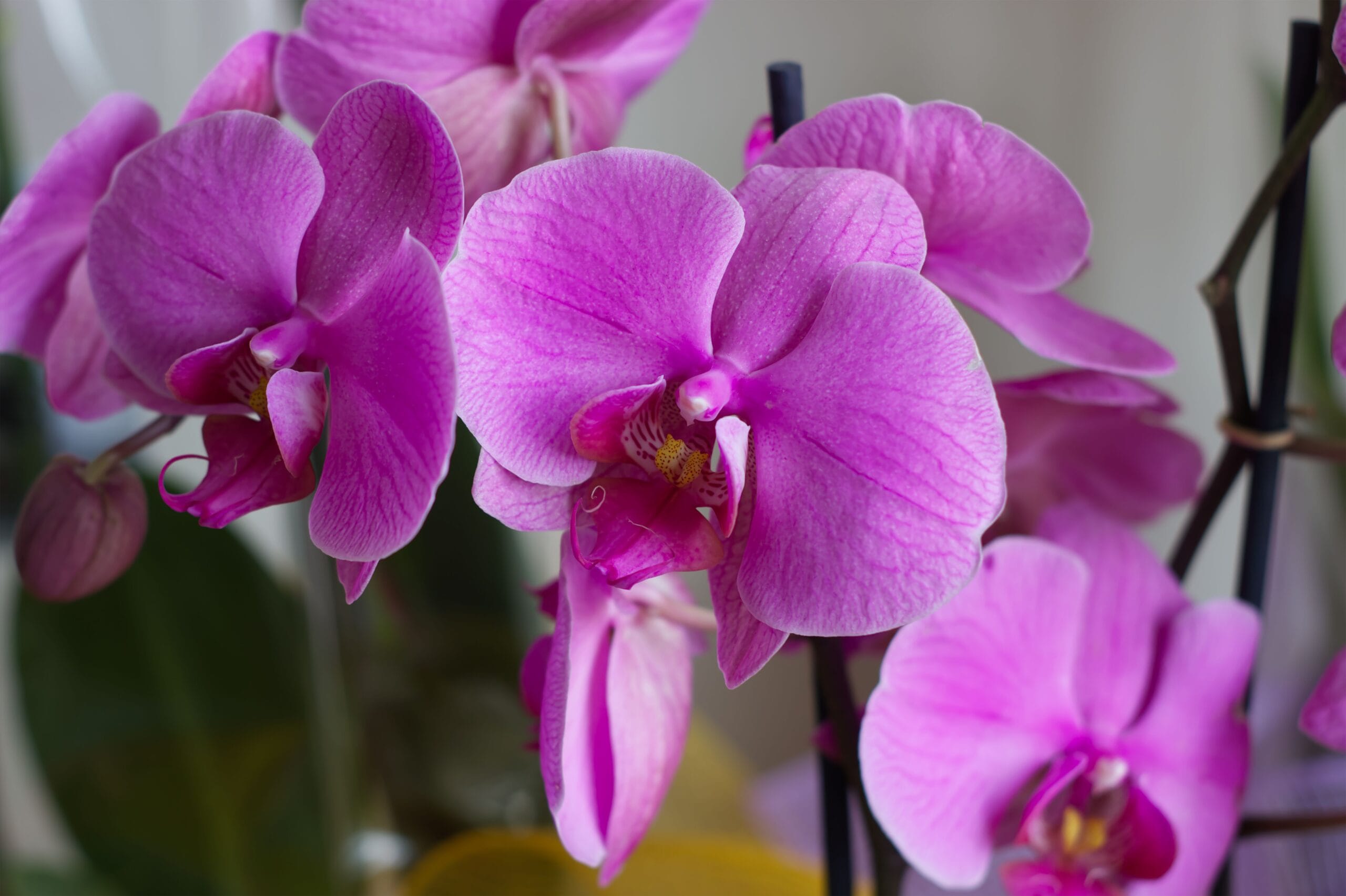
Orchids have a reputation for being delicate and difficult, but many orchids can grow beautifully in Canadian homes with the right care. Their elegant flowers, long bloom time, and exotic appearance make them one of the most rewarding indoor plants. The key is understanding that orchids are not grown like regular houseplants. Most popular orchids do not naturally grow in heavy soil. Many grow attached to trees in warm, humid environments, where their roots receive air, moisture, and filtered light.
In Canada, the biggest challenges are low winter light, dry indoor air, cold windows, and overwatering. Once you learn how to adjust for these conditions, orchids become much easier to keep healthy and rebloom.
If you are new to orchids, start with Phalaenopsis, commonly called the moth orchid. This is the orchid most often sold in grocery stores, garden centres, and flower shops across Canada. It is popular because it adapts well to normal indoor temperatures and can bloom for several weeks or even months.
Phalaenopsis orchids are the best beginner choice because they do not need intense light or extreme temperature changes. They enjoy the same comfortable indoor temperatures people do, which makes them suitable for homes, condos, and offices.
Once you have experience, you can try other orchids such as Cattleya, Dendrobium, Oncidium, Paphiopedilum, and Cymbidium. Each type has slightly different needs. Some require stronger light, cooler nights, or a more defined rest period before blooming. For most Canadian indoor gardeners, Phalaenopsis is the easiest place to begin.
Light is one of the most important factors for orchid health and reblooming. In Canada, winter light can be weak because the days are short and the sun sits lower in the sky. An orchid may look healthy for months but fail to rebloom if it does not receive enough light.
Phalaenopsis orchids prefer bright, indirect light. An east-facing window is often ideal because it provides gentle morning sun. A west-facing window can work if the orchid is protected from harsh afternoon sun. A south-facing window can also be excellent in winter, but during summer the plant may need to sit a little farther back or behind a sheer curtain to prevent leaf burn.
Healthy orchid leaves should usually be medium green. Very dark green leaves can mean the orchid is not getting enough light. Yellowish leaves, bleached patches, or sunken brown spots may indicate too much direct sun.
If your home is dark, especially during Canadian winters, a grow light can help. A full-spectrum grow light used for 10 to 12 hours a day can support stronger leaves, healthier roots, and better chances of reblooming.
Most Phalaenopsis orchids grow well in typical indoor temperatures between 18°C and 26°C. They do not like cold drafts, freezing window glass, or sudden temperature swings.
This is especially important in Canada during winter. An orchid placed directly against a cold window can suffer leaf or root damage even if the room itself feels warm. Keep orchids near bright windows, but not touching the glass. Move them back slightly during extreme cold snaps.
Avoid placing orchids near exterior doors, heating vents, fireplaces, or cold basement windows. Hot dry air from a furnace vent can dry the plant too quickly, while cold drafts can stress the plant and cause buds to drop before opening.
One of the most common orchid mistakes is treating orchids like regular potted plants. Many orchids, including Phalaenopsis, need a loose, airy potting medium. Regular potting soil holds too much moisture and can suffocate the roots.
Use an orchid mix made with bark, coconut husk chips, perlite, charcoal, or similar chunky materials. This allows air to move around the roots while still holding some moisture.
Orchid roots should look firm and healthy. Green roots usually mean they are moist and active. Silvery-grey roots often mean they are dry and ready for watering. Brown, mushy, or hollow roots may be a sign of root rot.
Clear plastic orchid pots are useful because they allow you to see the roots and moisture level. Whatever pot you use, it must have drainage holes. Orchids should never sit in standing water.
Watering is where many orchid owners go wrong. Orchids do not like being constantly wet, but they also should not be left bone-dry for too long. The goal is to water thoroughly, then allow the potting mix to dry slightly before watering again.
For Phalaenopsis orchids in bark mix, watering once every 7 to 10 days is common, but this depends on light, temperature, pot size, humidity, and season. In winter, orchids may need water less often. In summer, they may dry faster.
A good method is to take the orchid to the sink and water the potting mix thoroughly with room-temperature water. Let the water drain completely before placing the plant back in its decorative pot or saucer. Never leave water sitting at the bottom of the pot.
Avoid pouring water into the crown, which is the centre where the leaves meet. Water trapped in the crown can encourage rot. If water does collect there, gently blot it with a tissue.
Ice cubes are sometimes promoted as an easy way to water orchids, but room-temperature water is usually safer and more natural. Orchids are tropical plants, and repeated cold water exposure can stress roots over time.
Canadian homes can become very dry during winter because of central heating. Orchids generally prefer moderate humidity, often around 40% to 60%. Dry air can cause wrinkled leaves, dry root tips, bud drop, and shorter bloom life.
A small humidifier near your orchids is one of the best solutions. Grouping plants together can also create a slightly more humid microclimate. A humidity tray with pebbles and water may help a little, but the pot should sit above the water, not in it.
Misting is not a complete solution because it only raises humidity briefly. If misting is done too often or late in the day, it can leave water sitting on leaves and increase disease risk. If you mist, do it lightly in the morning and make sure the plant has good airflow.
Orchids need nutrients, but they do not need heavy feeding. Use an orchid fertilizer or a balanced plant fertilizer diluted to a weaker strength than the label’s full rate, unless the product is already designed for orchids.
A common approach is to feed lightly during active growth and reduce feeding when the plant is resting or not growing much. Many orchid growers follow the idea of “weakly, weekly,” meaning a weak fertilizer solution applied regularly, with plain water used occasionally to flush the potting mix.
Do not fertilize a very dry orchid, a stressed orchid, or one with damaged roots. Water first if needed, then fertilize lightly.
Many people keep orchids alive but struggle to make them flower again. For Phalaenopsis orchids, reblooming depends on healthy leaves, good roots, enough light, and sometimes a slight drop in night temperature.
After flowers fade, you can trim the flower spike. If the spike is still green, some growers cut it above a node to encourage a side branch. If the spike turns brown and dry, cut it near the base.
To encourage reblooming, provide bright indirect light and allow a modest night temperature drop for a few weeks, especially in fall. This does not mean exposing the orchid to cold. A safe difference between daytime and nighttime temperatures can help signal the plant to produce a new flower spike.
Be patient. Orchids often bloom once or twice a year, not continuously. A plant that is growing healthy new roots and leaves is preparing for future flowers.
Orchid bark breaks down over time and becomes more compact. When this happens, it holds too much moisture and reduces airflow around the roots. Repotting is usually needed every one to two years, depending on the mix.
The best time to repot is after blooming, when the orchid is starting new root growth. Remove the old mix, trim dead or mushy roots with clean scissors, and place the orchid into fresh orchid bark. Choose a pot that fits the root system; do not move into a much larger pot.
Yellow lower leaves can be normal aging, but multiple yellow leaves may point to overwatering, cold stress, or root problems. Wrinkled leaves may mean dehydration, but the cause could be either underwatering or root rot. Buds dropping before opening may be caused by drafts, dry air, sudden temperature changes, or low light.
Common pests include mealybugs, scale, aphids, and spider mites. Check leaves, flower spikes, and the base of the plant regularly. Isolate new orchids for a short period before placing them near other houseplants.
Growing orchids in Canada is very possible when you focus on the basics: bright indirect light, airy orchid bark, careful watering, moderate humidity, and protection from cold drafts. Orchids do not need constant attention, but they do need the right balance of air and moisture around their roots.
With patience and seasonal care, orchids can become long-lasting houseplants that bloom again and again, bringing colour and elegance to your home even during the coldest Canadian winter.